Natural Hydrogen Development Stalls as Power-to-Liquid Routes Advance

electrofuel.ai

Natural Hydrogen Development Stalls as Power-to-Liquid Routes Advance

natural-hydrogenpower-to-liquidelectrolyser-dataprocess-optimisationwhite-hydrogen
July 08, 2026  •  2 min read
The geological hydrogen exploration sector recorded no significant project announcements or regulatory milestones during April 2026, underscoring the widening gap between speculative subsurface extraction concepts and the proven electrochemical pathways now delivering commercial-scale renewable fuels. While natural hydrogen deposits continue to attract academic interest, the Fischer-Tropsch and co-electrolysis value chains have secured regulatory frameworks, financing structures, and off-take agreements that white hydrogen proponents have yet to demonstrate.
2026
Current deployment year for hybrid powertrains
100+ kW
Typical electrolyser stack output range
C15
Horse X-Range direct-drive designation
BEV
Platform type for range-extender integration

Electrochemical Synthesis Delivers Where Subsurface Exploration Cannot

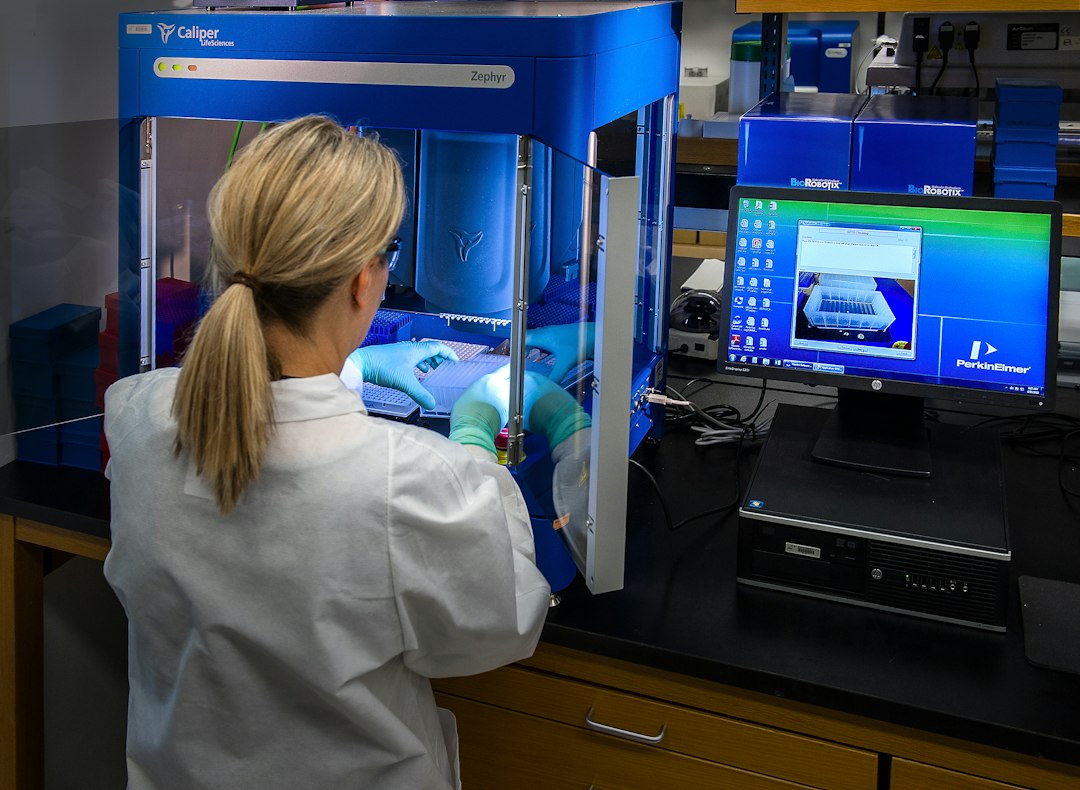
Power-to-Liquid facilities rely on modular electrolyser stacks operating at defined current densities, temperature bands, and catalyst loadings—process parameters logged, optimised, and replicated across installations worldwide. Co-electrolysis units feeding Fischer-Tropsch reactors deliver quantified syngas ratios (H₂:CO) tuned to specific hydrocarbon chain-length distributions. Natural hydrogen, by contrast, presents uncontrolled gas compositions, variable flow rates dependent on geological permeability, and no established purification or compression infrastructure tailored to downstream synthesis reactors.

The absence of white hydrogen news in April 2026 reflects this technical imbalance. Electrochemical routes benefit from decades of catalyst research, real-time process control, and heat integration schemes that capture waste thermal energy for feed preheat or district heating. Geological hydrogen deposits offer none of these process-engineering levers, leaving operators unable to match the repeatability and efficiency benchmarks that PtL plants achieve through iterative optimisation and digital twin modelling.

Regulatory Frameworks and Offtake Certainty Drive Investment Decisions

ReFuelEU Aviation mandates and RED III multipliers create bankable cash flows for electrochemically produced SAF and e-methanol. Investors underwriting Fischer-Tropsch facilities can model revenue based on legislated blend quotas, carbon-intensity thresholds, and auditable sustainability criteria. Natural hydrogen projects lack equivalent regulatory scaffolding: no EU directive defines white hydrogen’s carbon accounting, no aviation fuel standard certifies geological H₂ derivatives, and no pipeline operator has published interconnection procedures for subsurface wells feeding synthesis plants.

This regulatory vacuum explains why no major energy company announced a natural hydrogen FID in April 2026. Without clarity on emissions allocation, grid-connection priority, or fuel-quality certification, geological hydrogen remains a research curiosity rather than a financeable infrastructure class.

Process Data and Digital Infrastructure Widen the Technology Gap

Power-to-Liquid operators deploy sensor arrays monitoring stack voltage, membrane hydration, catalyst bed temperature gradients, and Fischer-Tropsch wax selectivity in real time. Machine-learning models trained on this data optimise load-following behaviour, predict maintenance intervals, and adjust syngas composition to maximise diesel-range yields. Natural hydrogen wells generate no comparable dataset: subsurface gas composition drifts with reservoir pressure, flow rates vary unpredictably, and no catalyst bed exists to instrument or tune. The .ai domain extension reflects this data-intensive reality—electrochemical synthesis thrives on algorithmic optimisation, while geological extraction offers no process variables to model or improve.

Bottom Line
April 2026’s silence on natural hydrogen developments highlights the sector’s inability to match the technical maturity, regulatory integration, and data-driven optimisation that define Power-to-Liquid electrochemical routes. Until white hydrogen proponents demonstrate controlled gas composition, scalable purification, and compliance with renewable-fuels certification, investment and engineering talent will continue flowing toward the proven Fischer-Tropsch and co-electrolysis pathways already delivering commercial volumes under binding EU mandates.

Sources

Featured image via Unsplash.

Related Posts

INNOZHERO Reaches FID: CCS Meets CO₂-to-Fuels at Scale

The EU’s first large-scale CCS project at a waste-to-energy plant has reached Final Investment Decision in Helsingborg, opening a replicable CO₂ capture pathway for Power-to-Liquid feedstock supply.

MHI Carbon Capture Hits 90% Rate Over 4,500 Hours at ArcelorMittal Gent

Mitsubishi Heavy Industries’ Advanced KM CDR Process has sustained over 90% CO₂ capture efficiency across more than 4,500 operating hours at ArcelorMittal’s Gent steelworks, delivering the kind of continuous-duty performance data that Power-to-Liquid developers need before committing to collocated CO₂ supply contracts.

Leave a Reply

Your email address will not be published. Required fields are marked *

You Missed

Washington SAF Tax Credit and ReFuelEU: Compliance Pressure Mounts for PtL Producers

  • By Sequaris
  • November 16, 2026
  • 65 views
Washington SAF Tax Credit and ReFuelEU: Compliance Pressure Mounts for PtL Producers

INNOZHERO Reaches FID: CCS Meets CO₂-to-Fuels at Scale

  • By Sequaris
  • November 13, 2026
  • 77 views
INNOZHERO Reaches FID: CCS Meets CO₂-to-Fuels at Scale

MHI Carbon Capture Hits 90% Rate Over 4,500 Hours at ArcelorMittal Gent

  • By Sequaris
  • November 11, 2026
  • 105 views
MHI Carbon Capture Hits 90% Rate Over 4,500 Hours at ArcelorMittal Gent

Horse Powertrain D20 Methanol REEV: Process Engineering Meets Road Transport

  • By Sequaris
  • November 2, 2026
  • 173 views
Horse Powertrain D20 Methanol REEV: Process Engineering Meets Road Transport

Methanol Fleet Orders Outpace Fuel Supply: 2035 Slippage Risk

  • By Sequaris
  • November 1, 2026
  • 243 views
Methanol Fleet Orders Outpace Fuel Supply: 2035 Slippage Risk

Ethanol as Drop-In for Methanol Ships: Compliance Implications

  • By Sequaris
  • October 27, 2026
  • 217 views
Ethanol as Drop-In for Methanol Ships: Compliance Implications