Sequaris
Fischer-Tropsch at the Core: Why PtL Is the Only Scalable Route
Biogenic feedstocks — used cooking oil, agricultural residues — face land-use ceilings and supply constraints that become binding well before 2050. Power-to-Liquid e-kerosene, produced by combining green hydrogen with captured CO₂ and running the resulting syngas through a Fischer-Tropsch reactor, is not feedstock-constrained in the same way. The reaction produces a synthetic crude that, once hydrocracked and fractionated, is chemically identical to fossil jet-A1, requiring zero airframe or engine modification. That drop-in compatibility is decisive for an industry operating aircraft on 25-year asset cycles.
The process-engineering challenge is cascade efficiency. Electrolysis converts renewable electricity to hydrogen at roughly 70-80% efficiency; reverse water-gas shift or co-electrolysis converts CO₂ and steam to syngas; Fischer-Tropsch converts syngas to liquid hydrocarbons at perhaps 40-50% selectivity for the jet-range cut; hydrocracking adds further losses. Heat recovery between reactor stages — capturing the exothermic FT heat to drive upstream processes — is where modern plant designs such as INERATEC’s ERA ONE containerised reactor and Sunfire’s co-electrolysis units compete hardest. Every percentage point of recovered heat narrows the well-to-wing energy penalty.
The CO₂ Supply Chain: DAC, Industrial Capture, and the Purity Question
PtL SAF requires a reliable, high-purity CO₂ feedstock. Two supply models are maturing in parallel. Point-source industrial capture — exemplified by the Yara Sluiskil project in the Netherlands, which now captures 800,000 tonnes of CO₂ per year and ships it to Norwegian seabed storage — demonstrates that large-volume, commercial CO₂ logistics are technically proven. For SAF producers seeking genuine carbon-cycle closure, however, direct air capture is the more rigorous option: Climeworks’ Mammoth facility removed 675 tonnes of atmospheric CO₂ in the first half of 2026, a roughly sixfold year-on-year increase. DAC costs remain high, but the trajectory is downward, and the purity of DAC-sourced CO₂ — above 99% — suits Fischer-Tropsch catalyst beds that are sensitive to sulfur and trace contaminants.
AI-driven process optimisation is increasingly relevant here. Real-time sensor fusion across DAC sorbent beds, electrolyser stacks, and FT reactors allows control systems to balance CO₂ capture rate against hydrogen production rate and reactor temperature profile dynamically — reducing catalyst coking risk and extending bed lifetime without manual intervention. This is precisely the technical intelligence layer that justifies electrofuel.ai’s editorial focus on data and AI applications in energy.
Efficiency Realities and the Road-vs-Sky Distinction
Intellectual honesty demands stating the central objection clearly: well-to-wheel, an e-fuel powertrain consumes roughly five times more renewable electricity than a battery-electric vehicle for the same distance — approximately 13-20% efficiency versus 70-80% for BEV. For road cars, that gap is prohibitive. Aviation is categorically different: a battery cannot power a long-haul widebody at any foreseeable energy density, which is why the UK roadmap targets 65% SAF, not 65% electric flight. The efficiency objection is an argument about the cost of electricity; it is strongest where batteries work, and largely irrelevant where they do not.
The 65% SAF target for 2050 implies an enormous ramp in PtL capacity that does not yet exist. Closing that gap requires Fischer-Tropsch catalyst innovation, heat-integration engineering, CO₂ logistics infrastructure, and — critically — the AI-assisted monitoring platforms that can operate these complex, coupled systems reliably at industrial scale. The roadmap sets the destination; process engineering must build the machine.
Sources
- Sustainable Aviation Fuels – GreenAir News
- Delay tactic or genuine solution? Carbon capture under fire again as EU invests in ‘unproven’ technology | Euronews
- Liquid e-fuels for a sustainable future: A comprehensive review of production, regulation, and technological innovation
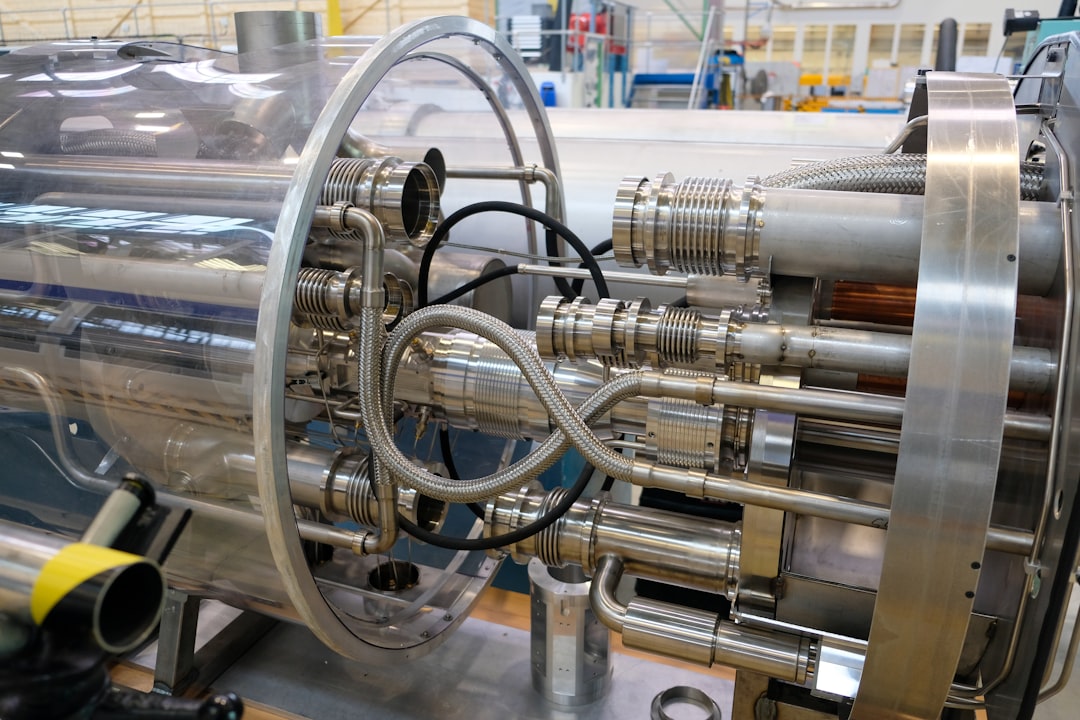
Featured image via Unsplash.