Sequaris
Why White Hydrogen Changes the PtL Feedstock Equation
Power-to-Liquid synthesis via Fischer-Tropsch or co-electrolysis (e.g. Sunfire SOEC) is electricity-intensive by design: the well-to-wheel efficiency of e-fuels in road transport sits at roughly 13–20%, versus 70–80% for BEV drivetrains — approximately five times more renewable electricity consumed per kilometre. That efficiency gap is the primary cost driver for PtL hydrogen and the central regulatory risk when RFNBO electricity-sourcing rules are enforced. Natural hydrogen, if extracted at commercial scale, sidesteps electrolysis entirely: no renewable electricity is consumed in production, which means the efficiency objection largely disappears and the RFNBO additionality and temporal-correlation requirements under RED III Article 27 would need to be reassessed by regulators. For compliance directors modelling 2028–2032 feedstock supply, this is a structural variable, not a marginal one.
The process-engineering case is straightforward: a PtL plant running on geological H₂ still requires a CO₂ source, a Fischer-Tropsch reactor, and downstream product upgrading — the capital-intensive synthesis loop is unchanged. What shifts is the upstream cost stack. If subsurface H₂ can be delivered at competitive wellhead cost, the electrolysis CAPEX and renewable-electricity offtake contracts that today represent the largest line items in PtL project finance models are eliminated. INERATEC’s ERA ONE modular FT units and comparable skid-based architectures are, in principle, feedstock-agnostic; the question is whether geological H₂ purity and flow rates meet the specification tolerances those reactors require.
Regulatory Positioning Under RED III and ReFuelEU
RED III currently defines RFNBO eligibility around electrolytic hydrogen produced from renewable electricity, with strict additionality, geographic correlation, and hourly matching requirements. White hydrogen does not fit neatly into that framework — it is neither electrolytic nor fossil in the conventional sense. The European Commission has not yet issued delegated acts clarifying the RFNBO status of geological H₂, and that gap is itself a compliance risk for any producer contemplating a white-hydrogen-fed PtL pathway. The June 2026 infringement proceedings against 13 Member States for failing to transpose ReFuelEU penalty regimes signal that the Commission intends to enforce its sustainable-fuels architecture rigorously — making early regulatory engagement on white hydrogen classification strategically urgent.
For PtL operators targeting the 6% SAF mandate in 2030 and the 1.2% PtL sub-mandate that follows, the actionable step is to begin scenario-modelling feedstock portfolios that include geological H₂ as a sensitivity variable, while tracking the Commission’s RFNBO delegated-act pipeline and any Member State-level permitting frameworks that emerge from early-mover exploration programmes.
Due Diligence Benchmarks for Compliance Teams
Three technical parameters should anchor white hydrogen due diligence for PtL applications: subsurface H₂ concentration (the PTH-2 well in Lorraine recorded 49.6% H₂ at 2,426 m in June 2026, a reference datapoint for realistic reservoir expectations), sustainable flow rate continuity, and surface purity after separation — Fischer-Tropsch catalysts are sensitive to sulphur and CO contaminants that can co-occur with geological H₂. Until commercial-scale production data exist, prudent PtL project developers should treat white hydrogen as an optionality asset in their feedstock strategy rather than a bankable primary supply.
The US$500 million VC wave documented by Nature suggests the sector expects commercial volumes within the decade. Compliance directors with 2030 mandate exposure should establish monitoring triggers now: a confirmed commercial flow rate from any of the ~30 active drilling programmes would warrant an immediate review of RFNBO certification pathways with legal counsel and the relevant national authority.
Sources
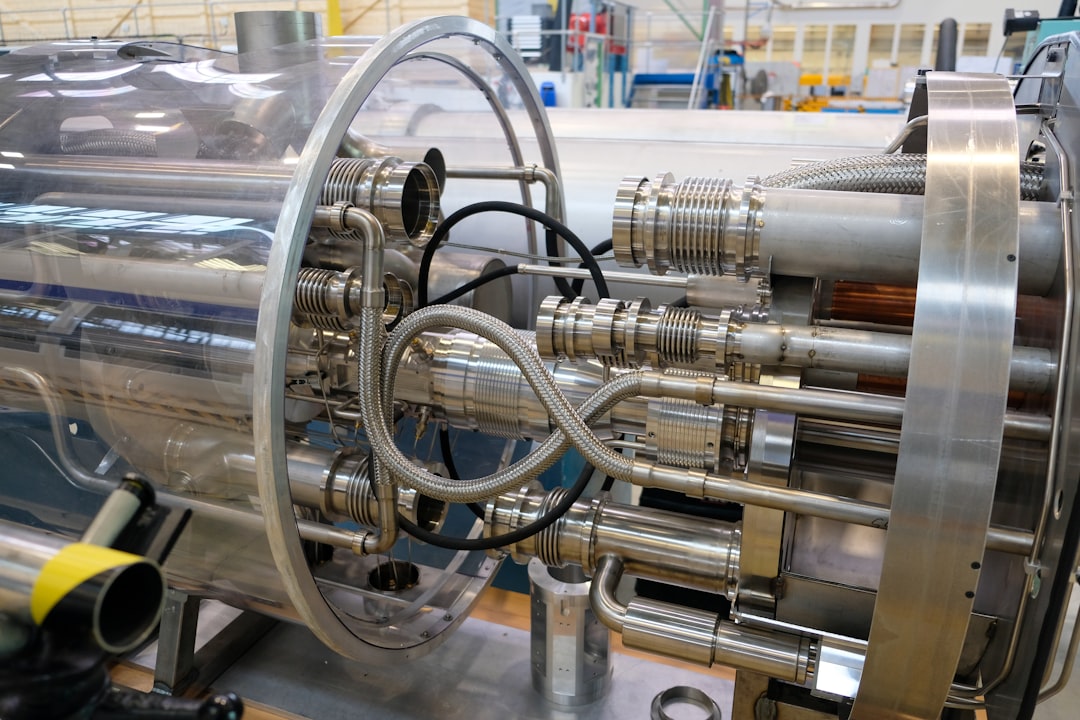
Featured image via Unsplash.
This is not an official site. It is published by a private company and does not emanate from any public authority, institutional programme, government department or research organisation. It represents none of them and speaks for none of them in any capacity.
Nature of the content. Articles are documentary summaries drawn from cited public sources. They may contain inaccuracies, omissions or information that has since become outdated. No financial, technical, legal or investment advice is provided.
Always verify against primary sources. For any information concerning a public programme, a regulation or an institutional project, only the publications of the competent authority are authoritative.
© 2026 BESS Energie SRL · BCE 0698.949.732 · info@bess.be