Sequaris
Process Engineering Inside the D20: Where Methanol Meets Power-to-Liquid Logic
The D20’s fuel of choice — methanol — is the same molecule that sits at the output end of a Power-to-Liquid (PtL) chain using CO₂ hydrogenation or, more directly, a syngas route via co-electrolysis of CO₂ and steam, the technology Sunfire has commercialised in its co-electrolysis units. In a PtL context, green methanol is synthesised by reacting captured CO₂ with green hydrogen over a copper-zinc-aluminium catalyst, a lower-temperature alternative to the full Fischer-Tropsch pathway used for synthetic kerosene. The D20 therefore represents the demand-side anchor for that production chain: a high-efficiency combustion sink for e-methanol that does not require the additional Fischer-Tropsch upgrading step, reducing catalyst load and capital expenditure per unit of renewable fuel consumed.
Horse’s use of an axial-flux generator — a topology valued for its high torque density and thermal compactness — complements the range-extender’s role as a steady-state power source rather than a transient prime mover. Running the engine at or near its optimal load point maximises thermal efficiency, which is critical when the upstream feedstock has already passed through the energy losses inherent in electrolysis and CO₂ capture.
RED III Obligations and the Compliance Calendar Every Director Should Map Now
Under RED III, advanced renewable fuels — including e-methanol produced from non-biological CO₂ — count toward member-state renewable energy targets in transport. For OEMs and fleet operators, integrating a methanol REEV powertrain means the vehicle’s fuel consumption can accrue toward renewable fuel obligations, provided the methanol supply chain is certified under a recognised voluntary scheme. Compliance directors targeting 2030–2032 should note that RED III sub-targets for advanced fuels tighten progressively: early procurement of certified e-methanol supply agreements locks in both price certainty and regulatory credit value before competition for compliant fuel intensifies. The D20 is not a concept — it is a production-ready signal that methanol REEV is a near-term option, not a post-2030 aspiration.
One honest caveat is essential here. In road transport, a methanol range-extender powertrain will always consume more primary renewable electricity per kilometre than a direct battery-electric drivetrain — the well-to-wheel efficiency of e-fuel pathways is roughly 13–20% versus 70–80% for BEV, approximately a five-to-one gap. The D20’s genuine regulatory and commercial advantage is therefore not in competing with BEV on efficiency grounds, but in serving fleets and vehicle segments where battery range, payload, refuelling time or infrastructure gaps make pure electrification impractical — and in providing a bridge for the roughly 1.4 billion combustion vehicles whose replacement cannot be mandated overnight.
What This Means for 2030-2032 Procurement and Marketing Strategy
For marketing directors, the D20 creates a product narrative grounded in quantifiable compliance metrics rather than aspiration: 105 kW of certified-renewable-fuel capacity in a package that is architecturally BEV-compatible and therefore exempt from the 2035 ICE ban. For procurement teams, the adjacent regulatory development matters: France’s new electrolytic hydrogen production tiers, capping water use at 20 litres per kilogram and effective January 2027, signal that e-methanol feedstock produced via green hydrogen will carry verifiable sustainability credentials that strengthen RED III accounting. OEMs that lock in D20-based platform decisions in 2026–2027 will have certified supply chains maturing precisely as the 2030 advanced-fuel sub-targets bite.
Sources
- Horse Powertrain presents methanol range extender – electrive.com
- HORSE D20 Methanol Range Extender Debuts With 105 kW Output
- What EU RED III compliance for biofuels means for renewable fuel operators – RSB
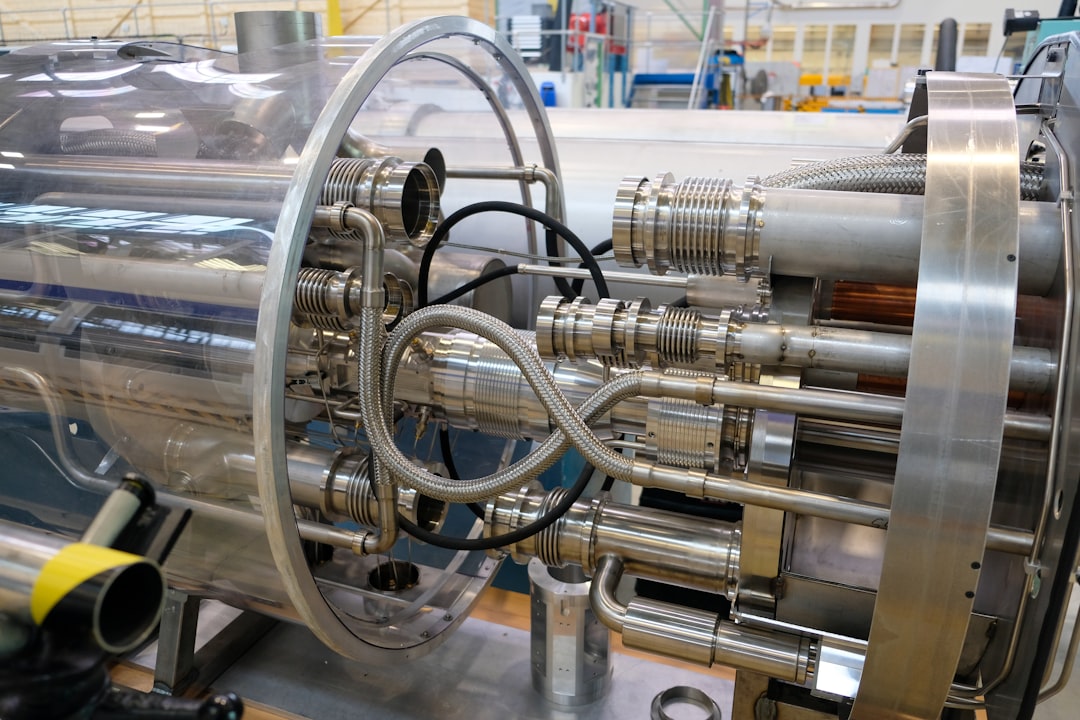
Featured image via Unsplash.