Sequaris
Geopolitical Shock Meets Regulatory Architecture
The Strait of Hormuz closure acted as a stress test for the nascent SAF supply chain, exposing how thin the margin between compliance cost and commercial viability remains for European carriers. At $2,830 per tonne, SAF sits at a level where even airlines with long-term offtake agreements are revisiting their blending strategies. For Power-to-Liquid producers scaling Fischer-Tropsch synthesis trains — where capital intensity is front-loaded and per-tonne cost relief depends on high utilisation — a volatile spot market complicates the bankability calculus for projects targeting 2028–2030 commissioning.
From a process-engineering standpoint, the price signal reinforces the strategic logic of integrated PTL facilities that co-locate CO₂ capture, co-electrolysis, and Fischer-Tropsch conversion: internalising feedstock costs reduces exposure to fossil-linked price spikes in conventional SAF pathways, while the resulting e-kerosene qualifies fully under ReFuelEU’s synthetic fuel sub-mandate rather than competing in the HVO-dominated blending pool.
RED III Double-Counting Removal and the HVO Displacement Effect
Several EU member states have begun removing the RED III double-counting incentive for HVO, a policy shift that BloombergNEF data indicates is already redirecting demand. For compliance and marketing directors, this creates a near-term window: HVO volume migrating away from road transport must find a new home, and aviation — under ReFuelEU’s escalating blending mandates — is the natural destination. However, HVO competes directly with Fischer-Tropsch SAF on a cost-per-tonne basis, and at current PTL production scales, e-kerosene cannot yet match HVO’s volume.
The regulatory trajectory, nonetheless, firmly favours PTL. ReFuelEU’s synthetic fuel sub-mandates require that a defined and rising share of aviation fuel be sourced from Power-to-Liquid e-fuels specifically — HVO does not qualify for that sub-mandate. Compliance directors building procurement strategies toward the 2030–2032 window should treat today’s PTL supply constraints not as a reason to defer engagement, but as the exact reason to secure offtake agreements now, before capacity becomes structurally tight.
Process Engineering Determines Who Meets the Mandate
The Fischer-Tropsch route to SAF — whether via Sunfire co-electrolysis feeding syngas directly into the synthesis loop, or via dedicated RWGS reactors upstream of the FT reactor — carries an inherent advantage under ReFuelEU’s certification framework: the resulting synthetic paraffinic kerosene is pathway-specific, traceable, and unambiguously compliant with the e-fuel sub-mandate. Heat integration across the electrolysis and FT stages, improved catalyst lifetimes, and higher single-pass conversion efficiencies are the engineering levers that will close the cost gap with HVO over the 2026–2032 period.
The LG Chem breakthrough announced on 27 July 2026 — more than doubling PEM electrode lifespan while cutting iridium loading by 50% — is directly relevant here: lower electrolyser operating costs reduce the green hydrogen input cost that dominates PTL economics. For project developers, each incremental efficiency gain at the electrolysis stage translates into a measurable reduction in the break-even SAF price, improving competitiveness precisely as regulatory demand for e-kerosene accelerates.
Sources
- E-Fuels AI – EU Regulation · Mobility · Policy · ReFuelEU · 2025–2050
- LG Chem Doubles PEM Electrode Lifespan for Green Hydrogen | Fuel Cells Works
- Liquid e-fuels for a sustainable future: A comprehensive review of production, regulation, and technological innovation
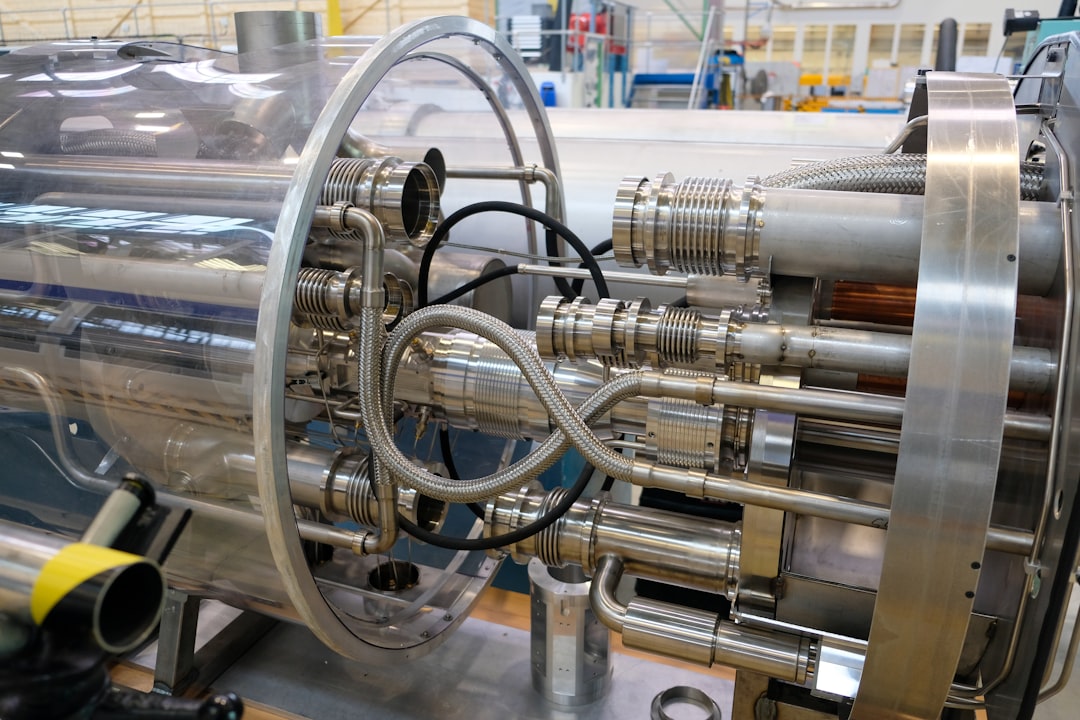
Featured image via Unsplash.