Sequaris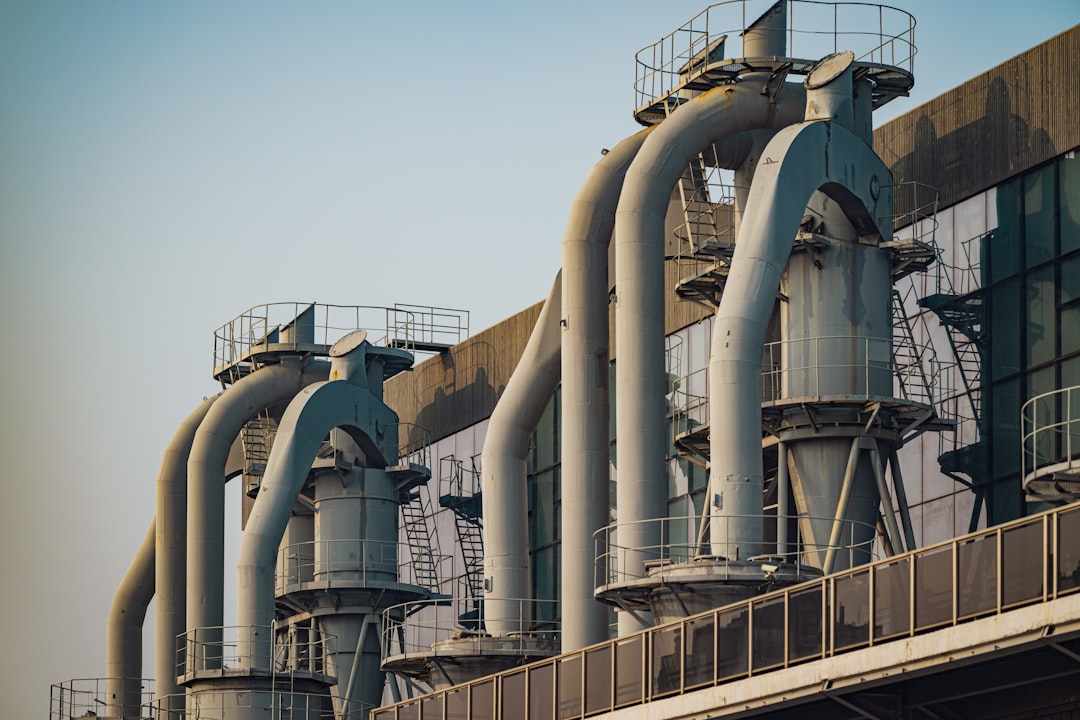
Fischer-Tropsch reactor engineering and heat integration
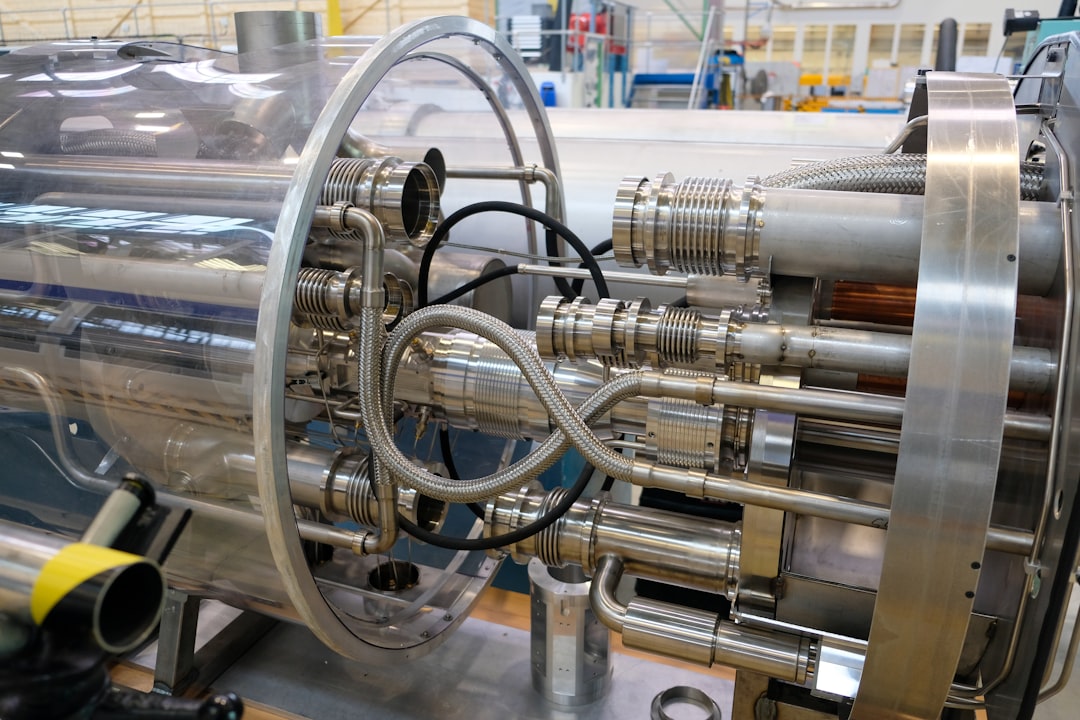
The Fischer-Tropsch reaction—discovered a century ago—remains the workhorse for converting synthesis gas (H₂ + CO) into liquid hydrocarbons. Modern Power-to-Liquid plants run FT reactors at 200–350 °C and 20–40 bar, using iron or cobalt catalysts to stitch carbon monoxide molecules into waxy paraffins that are then hydrocracked and fractionated into jet fuel, diesel, and naphtha. Because FT synthesis is highly exothermic (releasing roughly 165 kJ per mole of CO converted), effective heat recovery is critical: waste heat can preheat feedstock, generate steam for downstream processing, or even power an organic Rankine cycle turbine. Modular reactor designs—such as compact microchannel or plate reactors—offer better temperature control and faster scale-out than traditional tubular fixed-bed units.
AI-driven catalyst optimisation is beginning to appear in FT process development, where machine-learning models screen thousands of dopant combinations and support materials to predict selectivity toward C₈–C₁₆ hydrocarbons (the jet-fuel range) and minimise methane by-product. These digital tools accelerate the move from lab to demonstration scale, though industrial deployment still hinges on proven catalyst lifetime and regeneration cycles.
Co-electrolysis: reducing both water and CO₂ in one step
High-temperature solid-oxide co-electrolysis (SOEC) splits H₂O and CO₂ simultaneously at 700–850 °C, yielding syngas with a tuneable H₂/CO ratio suited to downstream FT synthesis. Co-electrolysis avoids the separate reverse water-gas-shift reactor required when pairing alkaline or PEM electrolysers with a dedicated CO₂ reduction step, saving capital and improving overall system efficiency. The trade-off is materials science: yttria-stabilised zirconia electrolytes and nickel-cermet electrodes must withstand thermal cycling, carbon deposition, and trace contaminants in recycled CO₂ streams. Stack degradation rates below 1% per 1 000 hours are now reported in pilot units, and intelligent control algorithms adjust current density and steam/CO₂ feed ratios in real time to maintain optimal cell voltage and prevent hotspots.
U.S. capacity outlook and project pipeline
The U.S. Energy Information Administration notes that 15 SAF production facilities are announced or under construction, with combined nameplate capacity projected to surpass 2 billion gallons per year by 2028. Most near-term projects rely on HEFA (hydrotreated esters and fatty acids) from waste oils, but several developers are advancing alcohol-to-jet and Fischer-Tropsch pathways. Power-to-Liquid e-fuels remain a smaller fraction today, constrained by renewable-electricity cost and CO₂ supply, yet they offer lifecycle greenhouse-gas reductions of approximately 65% relative to conventional jet fuel when paired with direct air capture or biogenic carbon sources. As electrolyser and FT-reactor module costs fall, the 2030s may see standalone synthetic-fuel plants co-located with wind farms or industrial CO₂ point sources.
Sources
- U.S. sustainable aviation fuel production takes off as new capacity comes online – EIA
- U.S. production capacity for sustainable aviation fuel to grow – EIA
- What is sustainable aviation fuel and how is it made? – World Economic Forum
Featured image via Unsplash.