Sequaris
Certification Architecture and the Fischer-Tropsch Input Ledger
Under the late April 2026 RSB framework, Power-to-Liquid operators claiming renewable-fuel-of-non-biological-origin (RFNBO) status must trace each feedstock molecule—green hydrogen from electrolysis and captured CO₂—through auditable mass-balance ledgers. For Fischer-Tropsch plants, this means electrolyser logbooks recording stack current density, uptime and grid-connection timestamps must align with synthetic-crude batch records and final product certificates. Sunfire co-electrolysis units, which generate syngas (H₂+CO) in a single high-temperature cell, face additional scrutiny: regulators require separate accounting for the hydrogen and carbon-monoxide streams to verify that both meet RFNBO additionality and temporal-correlation criteria.
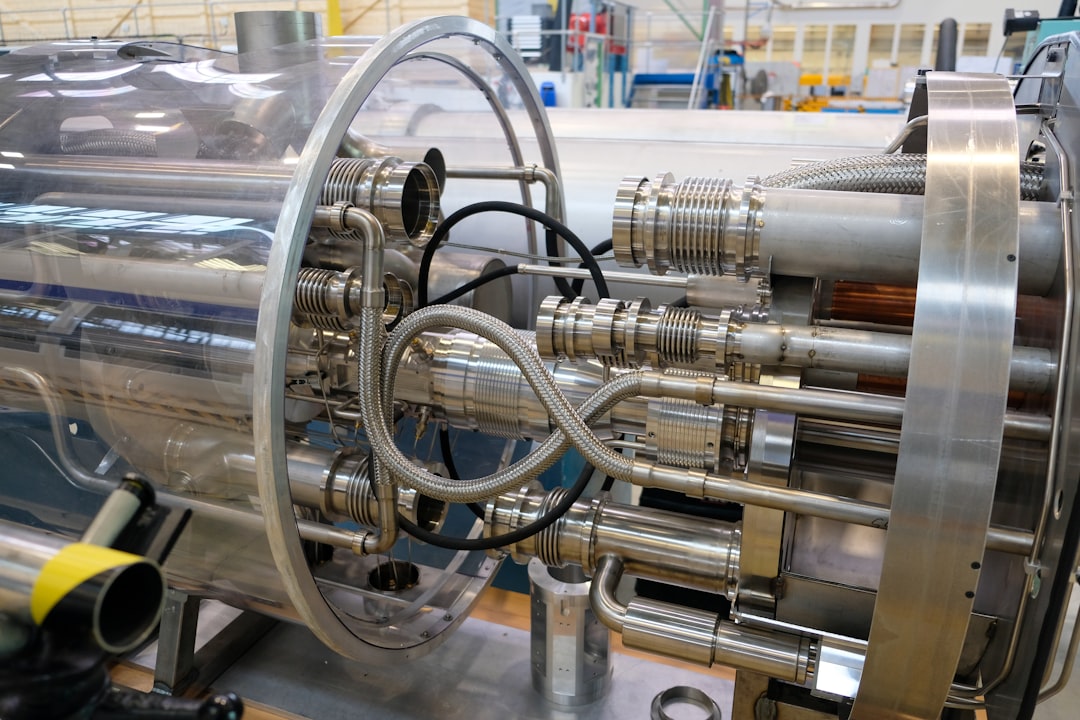
INERATEC’s modular ERA ONE reactors, designed for distributed deployment, simplify compliance by embedding digital metering at each micro-reactor skid; instantaneous heat-recovery data doubles as proof of process efficiency, a parameter RED III uses to calculate the greenhouse-gas-intensity denominator. Catalyst-bed temperature profiles and syngas conversion rates become compliance artifacts, stored in blockchain or ISO 50001-aligned energy-management systems that auditors can query in real time.
Parallel Pressures: EU ETS, CCUS and the 2026 Convergence
The certification mandate arrives as EU ETS regulatory costs reach 100% implementation for shipping in 2026, according to the Methanol Institute, pushing vessel operators toward bio- and e-methanol bunker fuels. CCUS projects—focused on synthetic fuels for aviation, shipping and chemical production in the 2026 outlook—now compete for the same captured CO₂ volumes that Fischer-Tropsch plants require. Operators who can demonstrate that their carbon stream originates from direct-air capture or biogenic point sources, rather than fossil flue gas, gain preferential RED III multipliers and smoother market access under emerging national support schemes targeting the 2030–2032 compliance window.
Operational Implications for PtL Engineering Teams
Compliance directors and process engineers must now co-design control systems: Fischer-Tropsch catalyst regeneration cycles, heat-integration pinch analyses and product-fractionation yields all feed into the life-cycle-assessment models that determine whether a batch qualifies for ReFuelEU SAF sub-mandates or RED III transport quotas. Plants using legacy DCS architectures are retrofitting data historians with GHG-accounting plug-ins; new-build projects specify electrolyser stacks with built-in certification APIs. The late April 2026 framework effectively transforms every watt of renewable electricity, every kilogram of electrolyser-grade water and every cubic metre of CO₂ into compliance variables—ensuring that technical deep-dives into catalyst efficiency and heat recovery are no longer optional optimisations but regulatory necessities.
Sources
- Liquid e-fuels for a sustainable future: A comprehensive review of production, regulation, and technological innovation
- Power-to-Liquids – Green Car Congress
- E-Fuel Market Size and Outlook 2030
Featured image via Unsplash.