Sequaris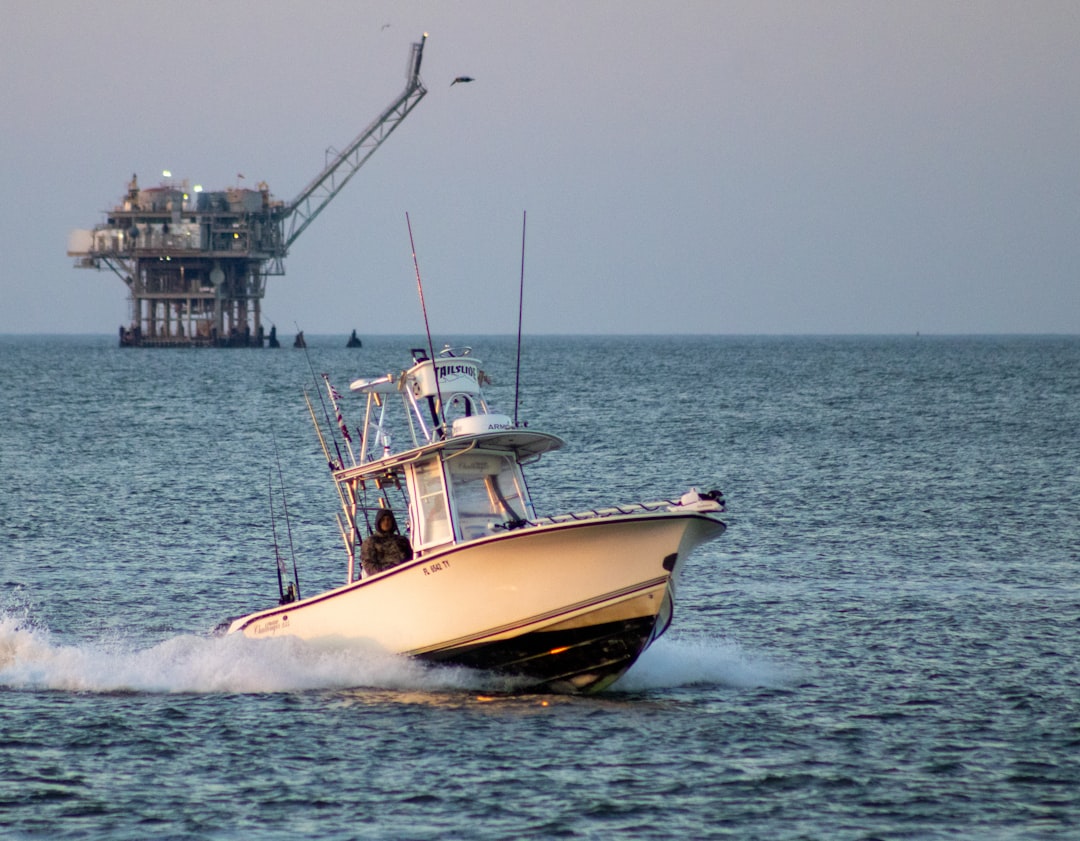
Maritime Demand Anchors Multi-Product PtL Facilities
The marine methanol market is maturing faster than many aviation analysts anticipated. More than 350 methanol-fueled or methanol-ready vessels are on order or already sailing, driven by FuelEU Maritime regulations that impose escalating greenhouse-gas intensity penalties from 2025. Global methanol production stands at over 200 million tonnes per year, though only a small fraction is currently renewable. Shipping’s demand for green methanol—produced via Power-to-Liquid routes combining renewable hydrogen and captured CO₂—offers SAF developers a co-product offtake that can derisk Fischer-Tropsch plant economics.
Power-to-Liquid facilities synthesizing methanol can integrate Fischer-Tropsch units on the same site, sharing electrolysis capacity, CO₂ capture infrastructure, and heat-recovery networks. Because both methanol synthesis and Fischer-Tropsch operate at elevated temperatures and pressures, waste heat from one reactor can pre-heat feedstocks for the other, improving overall thermal efficiency. Green methanol achieves 60 to 85 percent lifecycle greenhouse-gas reductions relative to fossil fuels, a benchmark that aligns closely with CORSIA and ReFuelEU Aviation requirements for SAF.
Fischer-Tropsch and Methanol Synthesis: Shared Process Foundations
Both methanol and Fischer-Tropsch synthesis begin with syngas—a mixture of hydrogen and carbon monoxide or carbon dioxide. Co-electrolysis cells, such as those developed by Sunfire, produce syngas directly by reducing steam and CO₂ in a single high-temperature unit, eliminating a separate reverse water-gas shift reactor. The syngas then flows either to a methanol catalyst bed (typically copper-zinc-alumina) or to a cobalt- or iron-based Fischer-Tropsch reactor that yields liquid hydrocarbons suitable for jet-fuel blending.
AI-driven optimisation of Fischer-Tropsch catalyst selectivity and co-electrolysis operating parameters is enabling developers to tune product slates in real time, shifting output between methanol and synthetic kerosene as market prices and offtake contracts evolve. Modular reactor designs—exemplified by platforms such as INERATEC’s ERA ONE—allow incremental capacity addition and parallel operation of methanol and Fischer-Tropsch trains within a single site boundary, reducing permitting timelines and construction risk.
Regulatory Convergence and Investment Implications
FuelEU Maritime and ReFuelEU Aviation both recognise renewable fuels of non-biological origin (RFNBOs) produced from green hydrogen and captured carbon. This regulatory alignment means a single integrated plant can supply credits under both frameworks, diversifying revenue streams and improving bankability. Maritime offtake agreements provide predictable volumetric demand that can underpin project finance, while aviation contracts typically offer higher margins during early commercialisation.
Developers planning large-scale Power-to-Liquid hubs are increasingly siting facilities near industrial CO₂ sources—refineries, cement works, or waste-to-energy plants—and proximate to both seaports and airports. The dual-product strategy also hedges against technology risk: if one synthesis route encounters catalyst deactivation or unforeseen operational challenges, the shared electrolysis and CO₂ loops continue to support the other pathway, maintaining cash flow and investor confidence.
Sources
- Frontiers | Feasibility assessment of green methanol ship with integrated life cycle assessment
- Zero-emission shipping fuels: A guide to methanol and ammonia | Global Maritime Forum
- Marine Methanol Future-Proof Shipping Fuel | Methanol Institute
- The Future of Maritime Fuels | The Decarb Hub
Featured image via Unsplash.